Safety Switch Testing: A Quick Guide for Homeowners
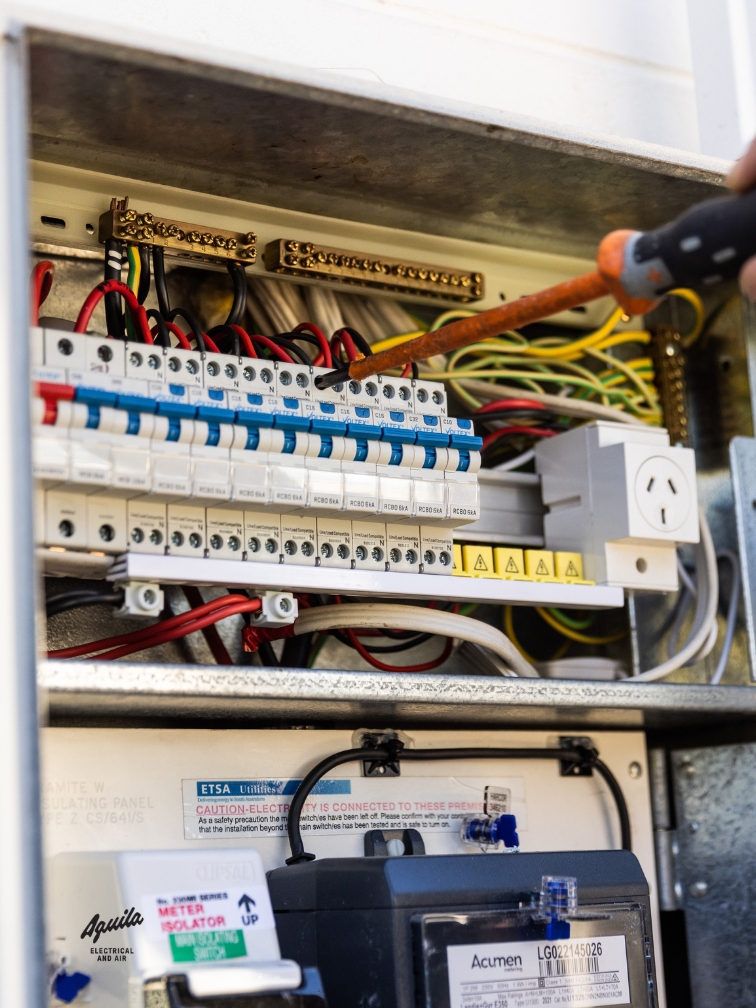
Electricity powers almost every aspect of modern home life, but it also carries serious risks if something goes wrong. Faulty wiring, damaged appliances, or moisture can lead to electric shock. That’s why safety switches are one of the most important safety features in the home. They’re designed to instantly cut power when an electrical fault is detected, helping to protect people from serious injury.
However, simply having a safety switch installed isn’t enough to guarantee protection. Like any safety device, it needs to be checked regularly to ensure it will respond correctly in an emergency. In this guide, we will walk homeowners through what a safety switch does, why routine testing is so important, how to test it safely at home, and when it’s time to call a licensed electrician for professional help.
What Is a Safety Switch and How Does it Work?
A safety switch, also known as a Residual Current Device (RCD), is an electrical safety device designed to protect people from electric shock. It continuously monitors the flow of electricity in a circuit and cuts the power within milliseconds if it detects an imbalance, such as electricity leaking through a person, damaged wiring, or a wet appliance.
Safety switches help reduce the risk of:
- Electric shock and electrocution
- Electrical fires caused by current leakage
- Injuries from faulty or damaged appliances
- Electrical damage during storms, moisture exposure, or general wear and tear
In Australia, safety switches are mandatory for new homes and many renovations. However, older homes may still be at risk if switches are missing, outdated, or faulty.
Why is Safety Switch Testing Essential?
Safety switches are designed to protect from electric shock and fire, but even the most reliable devices can fail over time. Regular testing is important to make sure your safety switch will perform when you need it most.
Several factors can affect a safety switch's performance:
- Age and internal wear: Components can degrade over time, reducing responsiveness.
- Power surges: Sudden voltage spikes can damage the mechanism.
- Moisture or corrosion: Water ingress, humidity, or rust can interfere with proper functioning.
- Electrical faults within the home: Faulty wiring can stress the safety switch and cause malfunctions.
By testing your safety switch regularly, you ensure it trips instantly in an emergency, preventing electric shocks, injuries, and potential electrical fires, instead of failing when it’s needed most.
Read more: How Safety Switches save lives in Electrical Emergencies?
How Often Should the Safety Switch be tested?
Regular testing is essential to ensure your safety switch functions correctly when it matters most. Homeowners should test their safety switch in the following situations:
- Every 3 months: A seasonal reminder, such as the start of each new season, helps you stay consistent.
- After a power outage or lightning storm: Electrical surges can affect the performance of your safety switch.
- When moving into a new home: Check that existing safety switches are correctly installed and fully operational.
- After electrical work: Any changes to wiring can impact how your safety switch functions.
By following this routine, you can make sure your safety switch continues to provide reliable protection for your family and home.
Tools You’ll Need for Testing
Testing a safety switch at home is simple, and most homeowners don’t need any specialised equipment. The key is basic safety preparation to prevent accidents while checking your switch.
Before you start, make sure you have:
- Insulated gloves
- Dry hands and dry surroundings
- Torch or flashlight (for switchboards in dark areas)
- Optional: multimeter for advanced checks
Having these tools on hand will make testing straightforward and safe, ensuring your safety switch functions properly without putting yourself at risk.
Step-by-Step Guide to Testing a Safety Switch
Step 1: Locate Your Switchboard
Start by finding your home’s switchboard, usually located in garages, laundries, hallways, or on an external wall in a weatherproof box. Knowing its location makes testing your safety switch quick and easy.
Look for a switch labelled “Safety Switch” or “RCD”, or one with a “Test” button (T). This is the device that protects your home from electrical faults and electric shocks.
Step 2: Turn Off Sensitive Appliances
Before testing your safety switch, turn off or unplug sensitive electrical devices such as TVs, computers, and medical equipment. Doing this helps prevent potential damage when the switch trips and power is temporarily cut.
Step 3: Press the Test Button
Press the “Test” button firmly on your safety switch. The switch should trip immediately, cutting power to lights and outlets on that circuit. This confirms that your safety switch is working correctly and ready to protect your home from electrical faults.
Step 4: Reset the Switch
Once testing is complete, flip the switch back to the ON position.
- Power should be fully restored
- All lights and power points should function normally
If the safety switch resets without issue, your safety switch is working as intended.
What If the Safety Switch Fails the Test?
Even with regular testing, safety switches sometimes fail or act unexpectedly. Knowing how to respond keeps your home safe and prevents serious hazards.
1. Safety Switch Doesn’t Trip
If pressing the test button doesn’t trip the switch, this usually means the safety switch is not working properly.
- Stop using appliances on that circuit immediately.
- Do not attempt DIY repairs as tampering with electrical equipment is extremely dangerous.
- Contact a licensed electrician to inspect and fix the issue.
2. Safety Switch Won’t Reset
If the switch trips but won’t reset after testing, First, unplug all appliances connected to the circuit and try resetting again. If it still won’t reset, this indicates a wiring fault or moisture in the outlet, which immediately need attention of a licensed electrician to safely identify and fix the underlying problem.
3. Frequent Tripping
If your safety switch trips repeatedly without pressing the test button, it can signal:
- Faulty appliances
- Water ingress in outlets or wiring
- Deteriorating electrical wiring
- Overloaded circuits
Ignoring frequent tripping increases the risk of electric shock or electrical fires, so it’s important to call a licensed electrician promptly
Important Safety Tips for Homeowners
Testing and maintaining safety switches is essential, but it’s equally important to follow safety precautions. Here are some safety tips:
- Never test safety switches with wet hands
- Keep children away from switchboards
- Never bypass or tape a tripping switch
- Avoid DIY electrical repairs as they’re illegal and dangerous
Book Your Safety Switch Test Today
Regular safety switch testing is one of the simplest yet most effective ways to protect your home from electrical hazards. By following the steps outlined in this guide and testing your switches every few months, you can ensure that they function correctly when it matters most. Routine testing helps prevent electric shocks, injuries, and even potential electrical fires, giving you peace of mind that your home’s electrical system is safe and reliable.
If you’re unsure about the condition of your safety switches, Aquila Electrical can help. Our licensed electricians provide comprehensive safety switch testing, installation, and maintenance services to ensure your home meets Australian safety standards. Contact Aquila Electrical today to book a service, protect your family, prevent hazards, and keep your home’s electrical system running safely.
📞 Call us on 0488 551 630
📍 Based in Hove, SA 5048


