LEDs vs Incandescent Bulbs: What you need to know
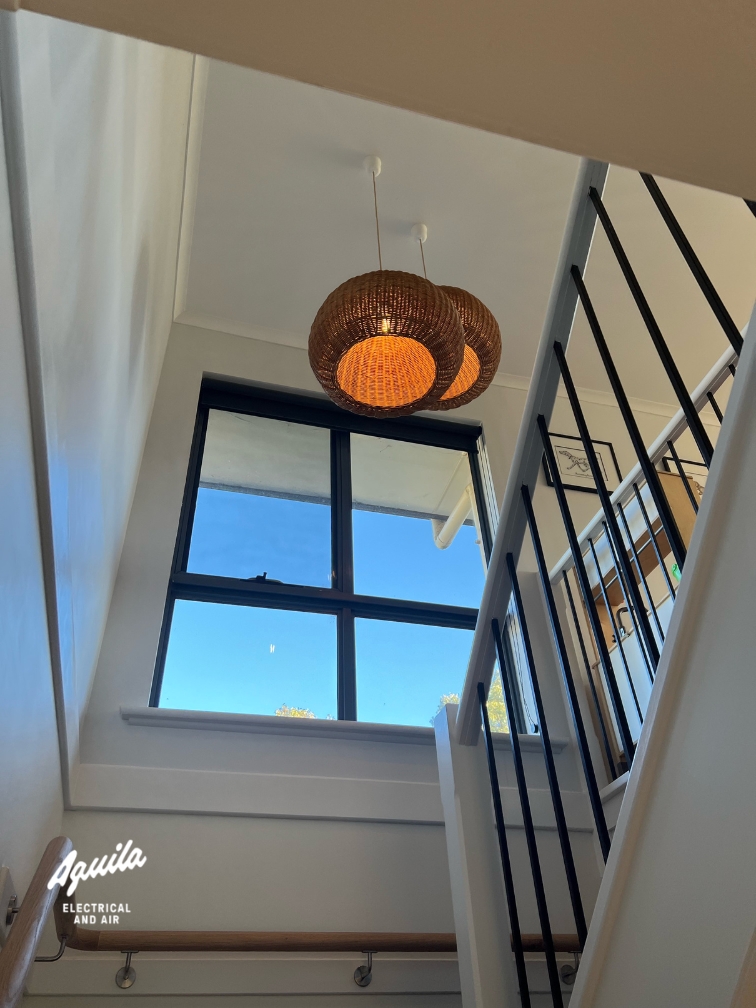
Understanding Your Lighting Options: Incandescent vs LED
Choosing the right type of lighting has a bigger impact than most people realise. The bulbs you choose affect everything from your electricity bill and the comfort of your space to the safety of your fittings and the overall atmosphere of your home and business. With lighting playing such an important role in everyday life, understanding your options is essential.
Today, LED bulbs and incandescent bulbs are the two most commonly discussed choices. While incandescent bulbs were once the standard, LED technology has rapidly transformed the lighting landscape. In this guide, we are going to highlight the key differences between the two, not only in terms of energy efficiency, but also performance, cost, safety, and long-term value, so you can choose the best lighting solution for your needs.
What Are LED Bulbs and How Do They Work?
LED stands for Light Emitting Diode. It uses solid-state semiconductor technology to produce light. Instead of heating a filament, LEDs generate light using electroluminescence, a process where electrons move through a semiconductor and release energy in the form of light.
Because this method generates minimal heat, very little energy is wasted, and the bulbs remain cool to the touch. The solid-state components also deteriorate much more slowly, giving LEDs a significantly longer lifespan compared to traditional bulbs. These advantages make LED bulbs one of the most efficient, durable, and versatile lighting options available today.
What Are Incandescent Bulbs and How Do They Work?
Incandescent bulbs produce light by passing electricity through a tungsten filament, heating it until it glows. This method is simple, inexpensive to produce, and creates the familiar soft, warm light many people associate with traditional lighting.
However, this method is highly inefficient. Around 90% of the energy used is lost as heat, meaning only a small portion becomes visible light. As a result, incandescent bulbs burn out quickly, require frequent replacement, pose a burn risk when touched, and can even increase room temperatures. Although they still serve certain niche applications, incandescent bulbs are widely considered outdated for general lighting due to their low efficiency and short lifespan.
What is the difference between incandescent and LED lights?
The main difference between LED and incandescent lights lies in how they produce light and use energy. Incandescent bulbs create light by heating a filament until it glows, wasting most of their energy as heat. LEDs, in contrast, use a semiconductor to pass an electric current through tiny chips, producing light efficiently with minimal heat and a much longer lifespan.
Detailed Comparison: LED vs Incandescent
1. Energy Consumption
LEDs are significantly more energy-efficient than incandescent bulbs, making them a smart choice for both homes and businesses.
Key benefits:
- Use 75–85% less electricity than traditional bulbs
- Provide equal or greater brightness with lower wattage
- Cut electricity bills while reducing your carbon footprint
Since lighting can account for 15–25% of a building’s energy usage, switching to LEDs can deliver noticeable savings.
2. Cost over time
While incandescent bulbs are inexpensive to purchase, their short lifespan, high energy consumption, and frequent replacement needs make them costly over time. What seems like a cheap option upfront can quickly add up on your electricity bills and maintenance costs.
LED bulbs, although more expensive initially, provide long-term value. They last many times longer, require minimal maintenance, and significantly reduce electricity usage. In most commercial areas, the energy savings alone pay back the initial cost within the first year, making LEDs a smart and energy-efficient lighting choice for the future.
3. Lifespan and Durability
Incandescent bulbs have a much shorter lifespan, typically lasting 1,000 to 2,000 hours. They are also quite delicate; thin filaments can break easily, and improper handling can shorten their life even further. Frequent replacements are often necessary, adding both cost and inconvenience.
LED bulbs, in contrast, are built to last. High-quality LEDs can run for 25,000 to 50,000 hours, meaning that if you use them around 10 hours per day, they could last 7–14 years. Their solid-state design makes them resistant to vibration, temperature changes, and frequent on/off switching, ensuring both durability and long-term reliability. With LEDs, you’ll spend far less time and money replacing bulbs.
4. Light Quality and Colour Options
Modern LED technology is designed not only to replicate the warm, inviting glow of incandescent bulbs but also to enhance the lighting experience. LEDs are available in warm, neutral, and cool white, providing consistent brightness and colour. Smart LED options even allow you to adjust colour and brightness, giving you complete control over your space.
Incandescent bulbs, while providing a familiar warm glow, are limited in versatility. They provide fewer colour temperature options and dimming capabilities, often requiring specialised fittings. For ambience lighting, LEDs give you far more flexibility, allowing you to create the perfect atmosphere while maintaining energy efficiency and long-term performance.
5. Heat Output and Safety
One of the major drawbacks of incandescent bulbs is the heat they produce. Most of the energy in an incandescent bulb is converted into heat, causing it to become very hot to the touch. This not only increases room temperature but also poses burn and fire risks, especially in enclosed fixtures.
LEDs, on the other hand, produce minimal heat, making them much safer for homes and commercial spaces. They reduce the strain on cooling systems and are best for kitchens, children’s rooms, offices, and areas where safety is a priority. With LEDs, you get bright, reliable lighting without the hazards associated with traditional bulbs.
Incandescent vs LED Lights: Which Bulb Should You Choose?
Incandescent bulbs still hold a place in certain settings, providing a soft, warm glow that feels familiar and comforting. They are inexpensive upfront and work well in small decorative fixtures where lighting is used sparingly. However, their short lifespan and high energy consumption limit their practicality for everyday use.
LED bulbs, by contrast, are a modern lighting solution built for efficiency and versatility. They provide bright, consistent illumination while consuming far less electricity, lasting many times longer than incandescent bulbs. LEDs also give you control over color temperature and brightness, making them perfect for task lighting, accent features, or creating ambience in space.
Although the initial investment in LEDs may be higher, the long-term benefits of LEDs lighting are clear. Reduced energy bills, minimal maintenance, and increased durability make LEDs a cost-effective and sustainable choice. For homes and businesses looking to upgrade, Aquila Electrical offers professional LED installations, helping you enjoy better lighting, lower energy bills, and enhanced safety.
Final Thoughts
Lighting affects more than just the ambiance as it plays a key role in energy efficiency, safety, durability, and long-term costs. Incandescent bulbs provide a warm, familiar glow at a low upfront price, but they are short-lived, inefficient, and limited in versatility. But LEDs give long-lasting, energy-efficient, and customizable lighting, delivering bright, consistent illumination while reducing electricity bills and maintenance needs.
Upgrading to LED lighting is easier than ever with Aquila Electrical in Adelaide. Our professional installation services ensure your space gets safe, efficient, and reliable lighting tailored to your needs. Make the switch today to enjoy lower energy bills, reduced maintenance, and a brighter, more sustainable environment, and let Aquila Electrical guide you toward the best LED solutions for your home or business. Contact Aquila Electrical today for high-quality LED solutions that provide lasting performance.
📞 Call us on 0488 551 630
📍 Based in Hove, SA 5048


