How to tell if your Property Needs a Three-Phase Power Upgrade
The Growing Need for Three-Phase Power in Modern property
Modern homes are using more electricity than ever, with appliances like ducted air conditioning, EV chargers, induction cooktops, and solar systems placing greater demand on electrical systems. If your property is still running on a standard single-phase connection, you will already be noticing signs that your power supply is struggling to keep up.
Understanding whether your property needs a three-phase power upgrade helps you avoid overloaded circuits, improve electrical efficiency, and future-proof your property for new technology. In this guide, we explain what three-phase power is, the signs your property needs an upgrade, and when to contact a licensed electrician in Adelaide for professional advice.
What Is Three-Phase Power?
Most Australian homes use single-phase power, which supplies electricity through one active wire and one neutral wire. This setup is suitable for everyday household needs such as lighting, televisions, fridges, and other small appliances, making it ideal for standard residential energy consumption.
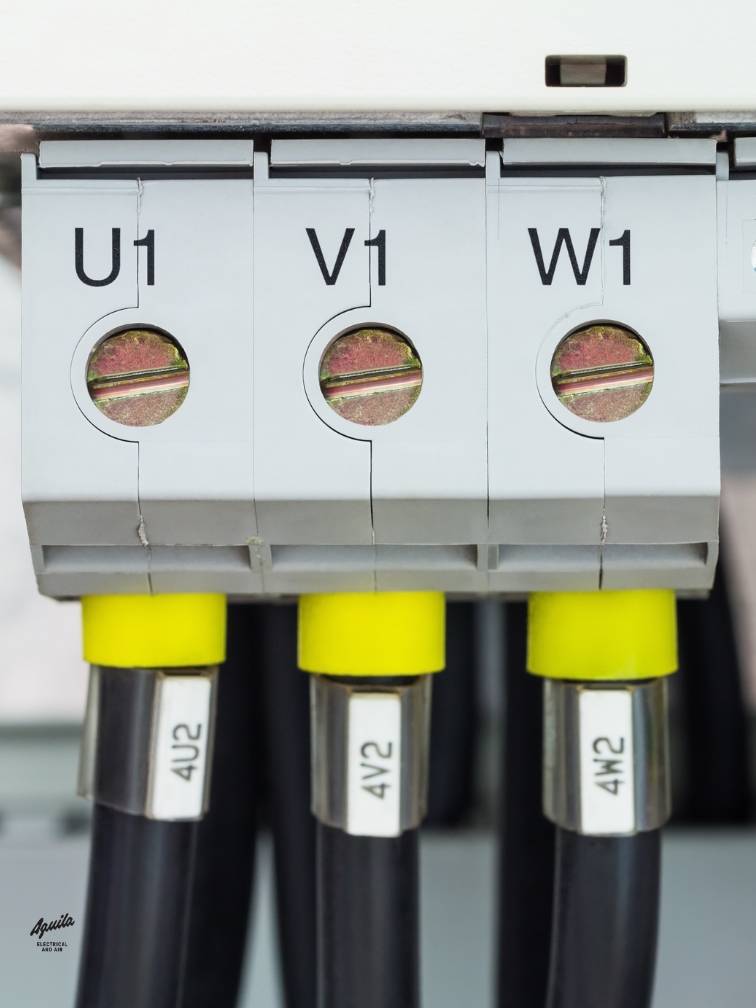
Three-phase power, on the other hand, uses three active wires along with one neutral wire, allowing electricity to be distributed more evenly and efficiently across your property. Instead of relying on a single flow of power, the load is shared across three phases, making it far better suited for larger electrical demands. This is why three-phase systems are commonly used in commercial buildings, workshops, and increasingly in modern homes with high-energy appliances and growing power requirements.
Why Upgrading to Three-Phase Power Matters
As households become more reliant on high-powered electrical systems, many homeowners are finding that single-phase power no longer meets their needs.
A three-phase upgrade can provide:
- Greater electrical capacity
- More stable voltage supply
- Reduced risk of circuit overloads
- Improved efficiency for large appliances
- Support for EV chargers and solar systems
- Better performance for ducted air conditioning
- Future-ready electrical infrastructure
For growing families, renovated homes, or properties with modern appliances, upgrading to three-phase power improves reliability and safety.
Signs Your Property Needs Three-Phase Power
If your home’s electrical system is starting to struggle, it’s time to consider whether a three-phase power upgrade is needed. While a licensed electrician is the only way to confirm this, there are several clear warning signs to look out for.
1. Frequent Circuit Breaker Trips
Circuit breakers that trip regularly when multiple appliances run at the same time point to an overloaded system. This is common in homes with growing energy demands or older switchboards not designed for modern usage.
2. Flickering or Dimming Lights
Lights that flicker when high-power appliances switch on often indicate a voltage drop. This usually means the electrical supply is struggling to maintain stable power under load.
3. High-Powered Appliance Usage
Modern appliances such as ducted air conditioning, EV chargers, pool equipment, induction cooktops, and workshop machinery require significant power. Homes running several of these at once benefit from three-phase capacity for improved stability and safety.
4. Home Renovations or Extensions
Renovation work typically increases overall electrical demand. Planning a three-phase upgrade during construction is often more practical and cost-effective than upgrading after completion.
5. Older Electrical Systems
Outdated switchboards, ceramic fuses, or the absence of safety switches indicate a system that does not support modern electrical loads and should be professionally assessed.
How Electricians Determine If You Need an Upgrade
A licensed electrician will assess several factors before recommending a three-phase upgrade.
1. Electrical Load Assessment: They measure your current electricity usage and check if your single-phase supply can safely handle existing and future demand without overloading.
2. Switchboard Inspection: Your switchboard is examined to see if it can support three-phase power or if an upgrade is required for safety and compatibility.
3. Future Power Requirements: Electricians consider future additions like solar systems, battery storage, EV chargers, renovations, air conditioning, or workshop equipment. Planning ahead helps keep your system safe, efficient, and ready for increased demand while avoiding costly upgrades later.
Benefits of Upgrading to Three-Phase Power
Upgrading to three-phase power provides several key advantages for modern homes and growing energy needs:
- Improved electrical reliability with a stable power supply
- Enhanced performance for high-load appliances
- Faster and more efficient EV charging
- Increased property value and buyer appeal
- Future-ready infrastructure for solar, batteries, and new technologies
Overall, a three-phase upgrade is a smart long-term investment that improves efficiency, supports modern energy needs, and prepares your home for future electrical demands.
How Much Does a Three-Phase Upgrade Cost?
The cost of upgrading to three-phase power varies depending on your property’s electrical setup and installation requirements. There is no fixed price, as each home is different.
Key factors that affect the cost include:
- Condition of existing wiring
- Need for switchboard upgrades
- Distance from the street supply
- Meter upgrade requirements
- Property access and installation complexity
Older properties with outdated switchboards require more work, increasing the overall cost. In contrast, homes with modern electrical systems have a simpler and more affordable upgrade. The most accurate way to understand your cost is through a licensed electrician’s on-site inspection and tailored quote.
Final Thoughts: Book a Three-Phase Power Assessment Today
Understanding whether your property needs a three-phase power upgrade is an important step in maintaining a safe, efficient, and future-ready home. As modern appliances and technologies continue to increase electrical demand, relying on an older single-phase system leads to performance issues, safety risks, and unnecessary strain on your electrical infrastructure. Identifying the warning signs early and getting a professional assessment ensures your home remains capable of handling both current and future energy needs.
If you’re unsure about your property’s power supply or notice any of the signs mentioned above, it’s best not to guess. A licensed electrician can accurately assess your system and recommend the right solution for your home. For expert advice, inspections, and reliable three-phase power upgrades in Adelaide, contact Aquila Electrical today. Our team is ready to help you future-proof your property with safe, professional, and efficient electrical solutions tailored to your needs.


