How to protect electrical system against power surges
Essential Strategies to Protect Your Electrical System from Power Surges
Power surges are one of those hidden electrical threats most people don’t think about until it’s too late. In just a split second, a surge can travel through your wiring and damage everything from your TV to your fridge, without any warning signs. While some surges are dramatic, like those caused by lightning, most happen quietly inside your home or workplace when appliances kick on and off. These smaller surges might not destroy your devices immediately, but they can slowly reduce their lifespan and reliability over time.
In a world where the average home and office rely on dozens of electrical devices daily, protecting your electrical system isn’t just a smart idea; it’s essential. The good news is that surge protection doesn’t have to be complicated. With the right equipment, smart habits, and guidance from a licensed electrician, you can shield your devices and keep your system running smoothly. In this blog, we’ll break down how to protect your electrical system from power surges and why professional surge protection matters more than ever.
What Is a Power Surge?
A power surge is a sudden, brief spike in the electrical voltage flowing through wiring that exceeds the stable level a system is designed to handle. These surges, even if they last less than a millisecond, can overwhelm the sensitive components inside appliances and electronics, causing immediate failure or gradually degrading their performance over time, potentially leading to costly damage.
Common Causes of Power Surges
Power surges can strike unexpectedly and damage your home's electrical system. Understanding the common causes helps you implement effective surge protection measures:
- Internal Surges: Everyday appliances like fridges, air conditioners, heaters, and pool pumps can create small spikes when they switch on. Over time, these internal surges can weaken your electronics.
- Lightning: Direct or nearby lightning can generate massive power surges, potentially damaging all connected devices.
- Power Grid Switching: Sudden voltage spikes can occur after a blackout, transformer failure, or grid switching, putting unprotected devices at risk.
- Faulty Wiring: Old, damaged, or incorrectly installed wiring can make your electrical system more vulnerable to surges and increase the risk of appliance failure
Why Power Surges Are Dangerous?
Power surges are dangerous because they can cause both immediate and long-term damage. High-voltage spikes can instantly fry circuit boards, melt wiring, or destroy electronics, while smaller, frequent surges gradually wear down components, shortening the lifespan of devices like TVs, computers, air conditioners, audio equipment, routers, and smart devices. They can also lead to data loss or corruption in computers and servers, and in severe cases, surges can overheat wiring, creating a serious risk of electrical fires.
Tips for Managing Power Surges
Protecting your electrical system requires preventative measures and the right surge protection technology. Here are the most effective strategies used in Australian homes and commercial buildings today:
1. Install Whole-Home Surge Protectors
A whole-home surge protector is installed at the main switchboard and works as the first major line of defence. It diverts dangerous excess voltage away from the entire electrical system. It safeguards major appliances, reduces lightning-induced surge impact, and ensures a more stable electrical system. Always use a licensed electrician for installation.
2. Use Surge-Protected Power Boards (Type 3 Protection)
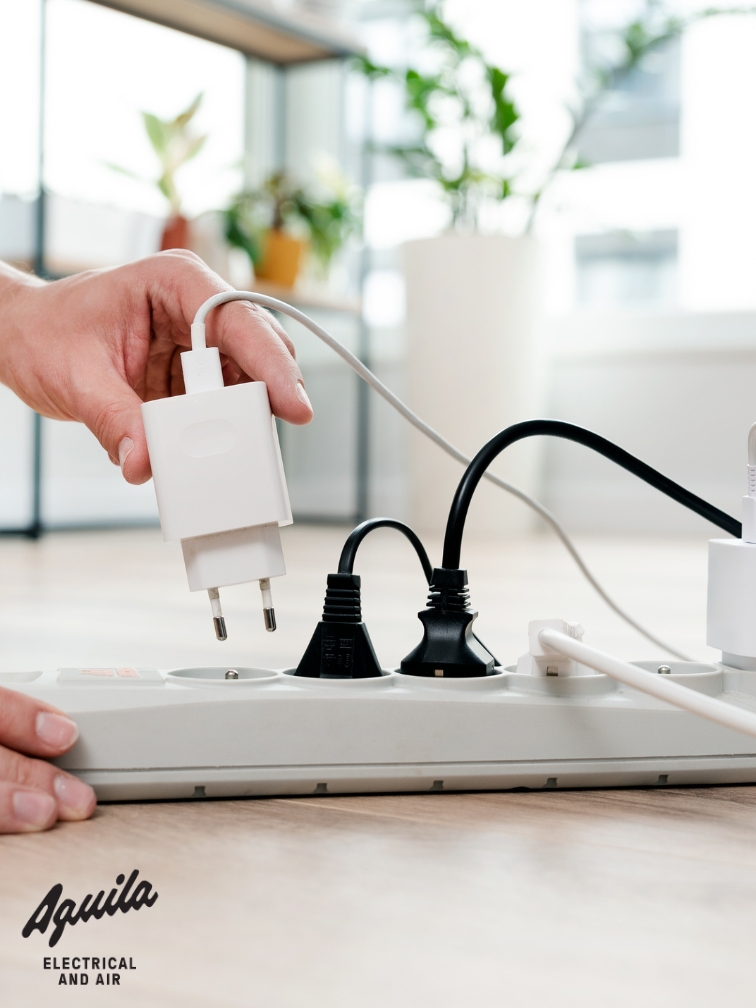
Plug-in surge boards protect individual electronics such as TVs, computers, gaming consoles, and office equipment. Look for high joule ratings, overload protection, and indicator lights. Note that these devices wear out and should be replaced every few years.
3. Install Layered Surge Protection (Type 1, 2 & 3)
A multi-tier system combines Type 1 (main switchboard), Type 2 (sub-boards), and Type 3 (power boards) protection. This layered approach stops large surges at the entry point, reduces medium surges internally, and protects sensitive devices at the outlet.
4. Unplug Devices During Severe Storms
Even the best surge protectors have limits. For high-value electronics like computers, home entertainment systems, modems, and smart devices, unplugging during lightning storms provides the safest protection. This eliminates the path for excess voltage to reach the equipment and provides complete protection when surge protectors alone may not be enough.
5. Maintain Safe, Up-to-Date Wiring
Old, damaged or poorly installed wiring increases surge risks. Well-maintained wiring helps stabilise electrical flow and reduces the risk of overheating during a surge. Warning signs include flickering lights, frequently tripping breakers, warm or buzzing outlets, burning smells, or a home older than 25 years. If you notice any of these issues, it’s important to have a licensed electrician assess your wiring to identify problems early and prevent potential hazards.
6. Use an Uninterruptible Power Supply (UPS)
A UPS protects equipment from surges, keeps systems running during short outages, prevents data loss, and allows safe shutdowns. It also stabilises voltage levels, helping protect sensitive electronics from fluctuations. This makes a UPS especially valuable for home offices, servers, POS systems, and medical or diagnostic devices that depend on consistent, interruption-free power to operate safely and efficiently.
What to Do After a Power Surge
If you suspect a power surge has occurred, take the following steps to ensure your safety and prevent further damage:
- Reset and Test Your Devices: Many appliances may resume normal operation after a simple reset.
- Check for Physical Damage: Look for burn marks, unusual smells, melted plugs or outlets, or flickering screens.
- Stop Using Damaged Appliances: Any device showing signs of damage can pose serious shock hazards and should be unplugged immediately.
- Contact a Licensed Electrician: Have a professional assess whether the surge affected your wiring, switchboard, or connected equipment. For expert support, reach out to a licensed Adelaide electrician at Aquila Electrical.
Final Thoughts
Power surges may be unpredictable, but protecting your electrical system doesn’t have to be. Installing the right surge protection devices, keeping your wiring up to date, and understanding the common causes of surges can greatly reduce the risk of damage to your appliances and electrical setup. These simple yet effective steps help keep your home or business safer, more efficient, and better prepared for unexpected voltage spikes.
Even with strong preventative measures in place, a professional assessment is invaluable. Partnering with Aquila Electrical ensures your surge protection is properly installed, your wiring meets current safety standards, and your property has the right level of defence against sudden electrical surges. With the expertise of Aquila Electrical’s licensed Adelaide electricians, you can rely on a well-protected, long-lasting electrical system.
📞 Call us on 0488 551 630
📍 Based in Hove, SA 5048


