How to identify and fix common lighting problems
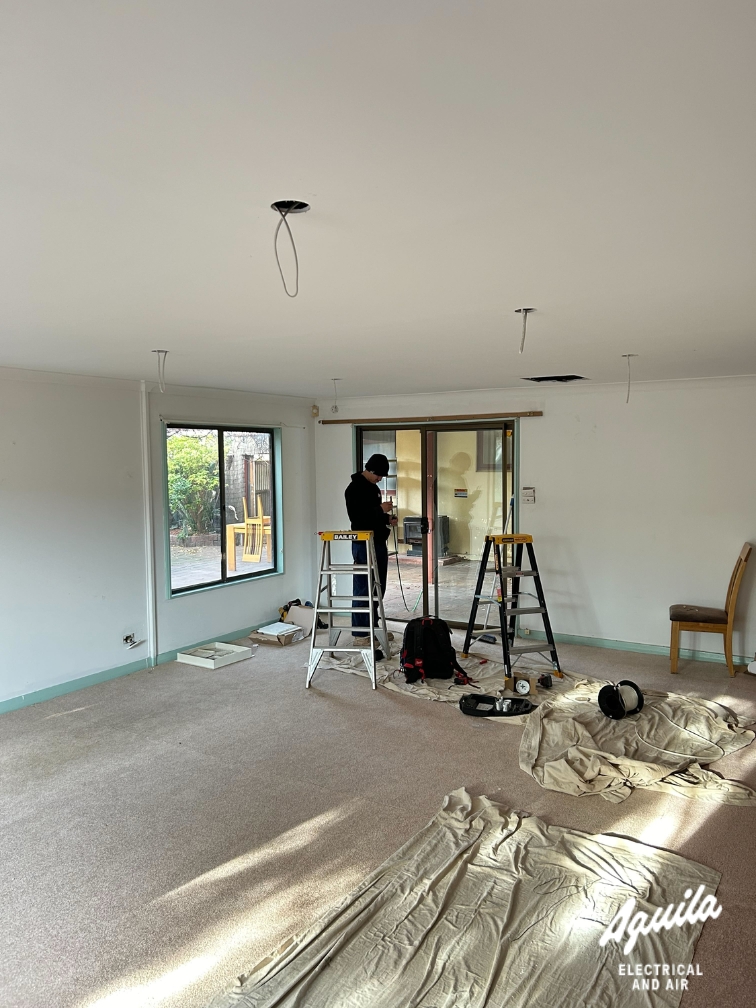
Common Lighting Issues and How to Troubleshoot Them
Lighting is one of the most essential features in any home, but when it stops working properly, it can be both frustrating and inconvenient. Common lighting problems such as flickering lights, buzzing fixtures, dim bulbs, or switches that don’t respond, can affect not only the comfort and mood of your living space but also your home’s safety and energy efficiency.
The good news is that most lighting issues are easy to identify and fix without professional help. By understanding the most common causes like loose connections, faulty light bulbs, bad switches, or overloaded circuits, you can quickly restore your lights to working order. In this guide, we’ll show you step-by-step how to troubleshoot and fix common lighting problems, so you can keep your home bright, safe, and energy-efficient.
1. Flickering Lights
Flickering lights are one of the most noticeable and frustrating problems. While sometimes harmless, they can also signal deeper electrical issues..
Common causes:
- Loose bulbs that aren’t screwed in tightly
- Incompatible dimmers (especially with LED bulbs)
- Voltage fluctuations in your home’s wiring
- Loose or damaged wiring connections
How to fix it:
- Tighten the bulb securely in its socket.
- Test the switch, replace it if it feels loose or doesn’t “click” properly.
- If flickering happens throughout the house, ask an electrician to check your wiring or voltage.
2. Dim Lighting
When your lights don’t shine as brightly as they used to, the cause could be as simple as dirt or as complex as electrical design flaws.
Common causes:
- Aging bulbs are losing brightness
- Dirty or dusty fixtures reduce light output
- Wrong bulb wattage or lumen rating for the fixture
- Malfunctioning dimmer switches
How to fix it:
- Replace old bulbs with bright, energy-efficient LEDs.
- Clean fixtures, shades, and covers to let more light through.
- Check the fixture’s recommended wattage and use the right bulb.
- Adjust or replace faulty dimmers.
3. Lights Not Turning On
It’s one of the most basic issues, but it can have multiple causes.
Common causes:
- Burnt-out bulbs
- Faulty switches that no longer carry current
- Loose or damaged wiring inside the fixture
- Blown fuses or tripped circuit breakers
How to fix it:
- Replace the bulb to rule out the simplest cause.
- Test the switch, if it’s defective, replace it.
- Check your breaker box and reset any tripped circuits.
- If the wiring is loose or damaged, call a licensed electrician.
4. Overheating Fixtures
Overheating is more than inconvenient, it can be a fire hazard.
Common causes:
- Using bulbs with higher wattage than the fixture allows
- Poor ventilation in enclosed fixtures
- Damaged wiring creating heat buildup
How to fix it:
- Always follow the wattage limits printed on your fixture.
- Switch to LED bulbs as they run much cooler than halogen or incandescent.
5. Buzzing or Humming Lights
That faint buzzing sound may seem harmless, but it’s usually a sign of a mismatch or fault.
Common causes:
- Incompatible dimmer switches
- Aging fluorescent fixtures or faulty ballasts
- Loose components inside the fixture
How to fix it:
- Upgrade to high-quality dimmer switches designed for LEDs.
- Replace old fluorescent lights with quieter, energy-efficient LEDs.
- Tighten loose ballasts in fluorescent fixtures.
- Reset or update smart bulbs and hubs to fix software issues.
6. Frequent Bulb Burnouts
If you feel like you’re replacing bulbs too often, something is wrong.
Common causes:
- Voltage surges or high home voltage
- Poor-quality bulbs with short lifespans
- Enclosed fixtures trapping heat
How to fix it:
- Use bulbs rated for enclosed fixtures if necessary.
- Invest in long-life, high-quality LED bulbs.
- Have an electrician test your home’s voltage levels.
7. High Energy Bills from Lighting
Lighting can significantly impact electricity costs if not managed efficiently.
Common causes:
- Using outdated incandescent or halogen bulbs
- Forgetting to turn off lights when not in use
How to fix it:
- Replace all bulbs with LEDs, which cut energy use by up to 80%.
- Install timers, dimmers, or motion sensors.
- Maximize natural light during the day.
Preventive Tips for Reliable Lighting
Keeping lighting problems at bay is often about prevention:
- Invest in quality bulbs and fixtures: They last longer and perform better.
- Clean fixtures regularly: Dust and dirt reduce brightness.
- Stay within wattage limits: Prevent overheating and damage.
- Upgrade to LED: They’re energy-efficient, cool, and long-lasting.
- Schedule professional inspections: For recurring issues or wiring concerns, call a licensed electrician.
Final Thoughts
Lighting problems are more than just an inconvenience; they can impact your home’s safety, comfort, and energy efficiency. While issues like flickering lights, buzzing fixtures, or dim bulbs have simple fixes, others, such as overheating fixtures, frequent bulb burnouts, or faulty wiring, require professional attention. By addressing lighting issues early and upgrading to modern, energy-efficient solutions, you can keep your home bright, safe, and cost-effective.
For problems that go beyond DIY solutions, it’s important to rely on trusted experts. A licensed electrician can quickly identify the root cause, provide safe repairs, and recommend upgrades that improve both performance and efficiency. Call Aquila Electrical today for reliable lighting repairs and installations, and energy-efficient upgrades. Whether you’re dealing with flickering bulbs, buzzing lights, or wiring concerns, our experienced electricians will ensure your home stays safe, well-lit, and worry-free.
📞 Call us on 0488 551 630
📍 Based in Hove, SA 5048


