How Many Power Points Does Your Home Really Need?
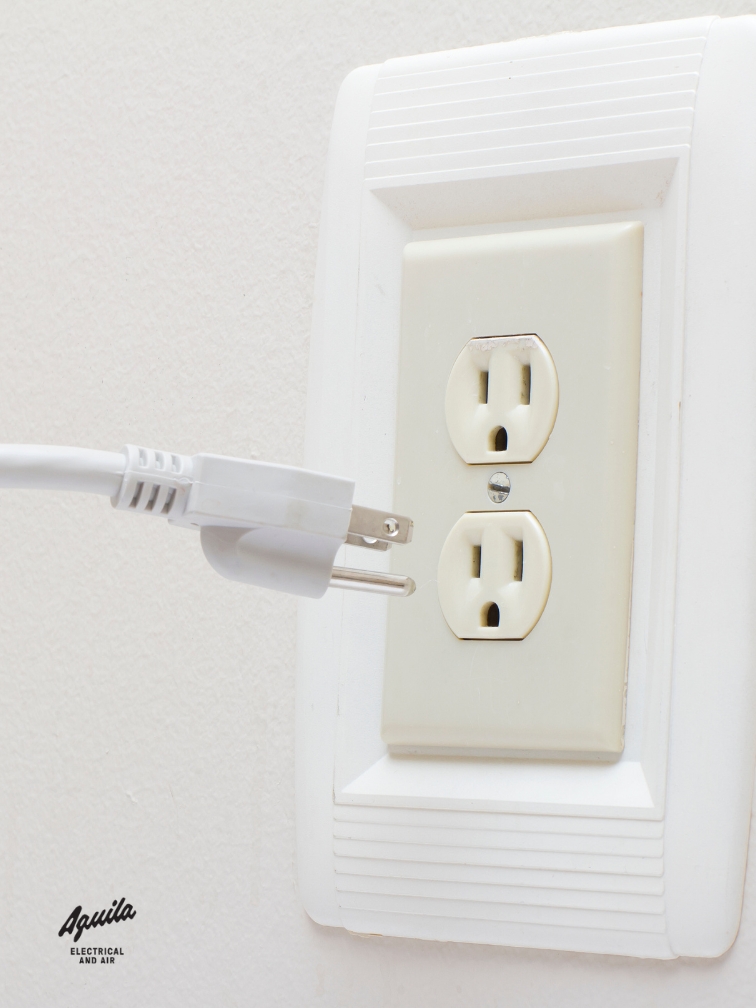
Smart modern Power Point Planning
Power points are a fundamental part of a modern home, yet they’re often overlooked during planning. With households now relying on multiple devices at once, including phones, laptops, TVs, kitchen appliances, and smart technology, the demand for accessible power has increased significantly. Many homes, especially older ones, simply don’t have enough outlets to support today’s lifestyle, leading to cluttered power boards and overloaded circuits.
So how many power points does your home really need? The answer isn’t the same for every household. It depends on how each room is used, the number of people in the home, and how technology fits into daily life. In this guide, we explore the key factors that influence power point requirements and provide clear, room-by-room guidance to help you plan a safe, practical, and future-ready electrical setup.
Why Having the Right Number of Power Points Matters
Having the right number of power points is essential for a safe and convenient home. Today’s households rely on a growing number of devices, including phones, tablets, laptops, smart TVs, gaming systems, kitchen appliances, and home office equipment.
When power points are insufficient, homeowners resort to:
- Overusing power boards
- Running extension cords across rooms
- Overloading circuit
- Creating potential fire and safety hazards
Proper planning eliminates these risks while improving comfort, convenience, and property value
Room-by-Room PowerPoint Recommendations
1. Living Room
The living room is a high-demand area for TVs, gaming consoles, sound systems, lamps, and device chargers.
Recommended:
- 4–6 outlets minimum, more for entertainment-heavy homes
- Double power points behind TVs and consoles
- Extra outlets near seating areas for easy charging
2. Kitchen
The kitchen is the most power-hungry room, with appliances like fridges, microwaves, ovens, coffee machines, toasters, blenders, and air fryers all needing reliable outlets. All placements must comply with AS/NZS 3000 safety standards.
Recommended:
- 6–8 outlets or more
- Multiple outlets along benchtops for convenience
- Dedicated circuits for high-load appliances
3. Bedrooms
Modern bedrooms serve as charging hubs and entertainment spaces. Common uses include phone and tablet chargers, lamps, alarm clocks, TVs, electric blankets, and laptops.
Recommended:
- 2–4 outlets per bedroom
- Double power points on each side of the bed
- Extra outlets near desks or wardrobes
- Consider USB-integrated power points for added convenience
4. Home Office
Home offices need reliable power for computers, monitors, printers, desk lamps, chargers, and networking equipment.
Recommended:
- 4–6 outlets minimum
- Surge protection for sensitive electronics
- Consider Ethernet points for stable connectivity
5. Bathrooms and Laundries
Bathrooms and laundries need extra care due to water exposure. Common devices include hairdryers, shavers, toothbrush chargers, washing machines, dryers, and irons.
Recommended:
- 1–2 outlets, depending on room size
- Waterproof, RCD-protected outlets
- Installed in compliant zones only
6. Outdoor Areas
Outdoor spaces and garages often get overlooked but need reliable outdoor power points for BBQs, patio heaters, garden tools, lighting, power tools, and EV charging.
Recommended:
- 2–4 weatherproof outlets
- Correct IP-rated outlets for outdoor conditions
- Dedicated circuits for high-load equipment
Factors to Consider When Deciding the Number of Power Points
Determining how many power points your home needs isn’t just about picking a number; it requires careful consideration of your home, lifestyle, and plans. Here are the key factors to guide your decisions:
1. Home Size and Layout
Larger homes naturally require more outlets, but layout matters just as much. Open-plan living areas, long hallways, and multi-use rooms need carefully positioned power points to avoid dead zones.
2. Number of Occupants
More people mean more devices. Families, shared households, and homes with teenagers need significantly more power points than single-occupant dwellings.
3. Lifestyle and Technology Use
Do you work from home? Love entertaining? Have smart lighting, security systems, or gaming setups? Home offices, gaming setups, smart devices, or hobby areas increase power needs.
4. Future-Proofing
Installing extra power points during builds is far cheaper than adding them later. Planning ahead saves money and avoids disruption.
Common Mistakes to Avoid When Planning Power Points
Installing power points seems simple, but mistakes can lead to inconvenience and safety risks. Avoid these common errors:
- Installing Too Few Outlets: Leads to overuse of extension cords and cluttered spaces.
- Poor Placement: Outlets behind furniture or far from desks and seating areas reduce usability.
- Ignoring Future Technology Needs: Failing to plan for smart devices can require costly upgrades later.
- Overloading Circuits: Too many outlets on a single circuit can cause tripped breakers. If you experience issues like overheating outlets or frequent power trips, it indicate faulty power points that require professional inspection.
- DIY Installations: Electrical work should always be completed by licensed professionals to ensure compliance and safety.
If you’re in Adelaide, trust Aquila Electrical to design and install safe, compliant, and future-proof power point solutions tailored to your home.
Benefits of Installing the Right Number of Power Points
Having the right number of modern power points in your home brings multiple advantages, making daily life easier and safer:
- Convenience: Use and charge multiple devices without unplugging or rearranging cords.
- Safety: Reduces reliance on power boards and prevents overloaded circuits.
- Aesthetics: Fewer visible cords keep your home neat and organized.
- Future-Proofing: Supports smart devices, home offices, and EV charging.
- Property Value: Well-planned outlets make your home more attractive to buyers.
Thinking of getting multiple power points installed? Contact Us To Book Local Electricians Today!
Ensuring your home has the right number of electrical power points is essential for a safe, convenient, and long-term functionality. Proper planning allows every room to have enough outlets to support daily activities, from charging devices and running kitchen appliances to powering home offices and entertainment systems. This not only reduces the need for extension cords and power boards but also prevents overloaded circuits, improving overall safety and functionality.
For homeowners in Adelaide, Aquila Electrical provides expert guidance and professional installation to design a power point layout that suits your lifestyle and future needs. With compliant, well-placed outlets, your home will be more comfortable, organized, and ready to handle modern technology. Get in touch with Aquila Electrical today to ensure your home is fully equipped and future-proof.
📞 Call us on 0488 551 630
📍 Based in Hove, SA 5048


