Hardwired vs Plug-In Appliances: What to Know
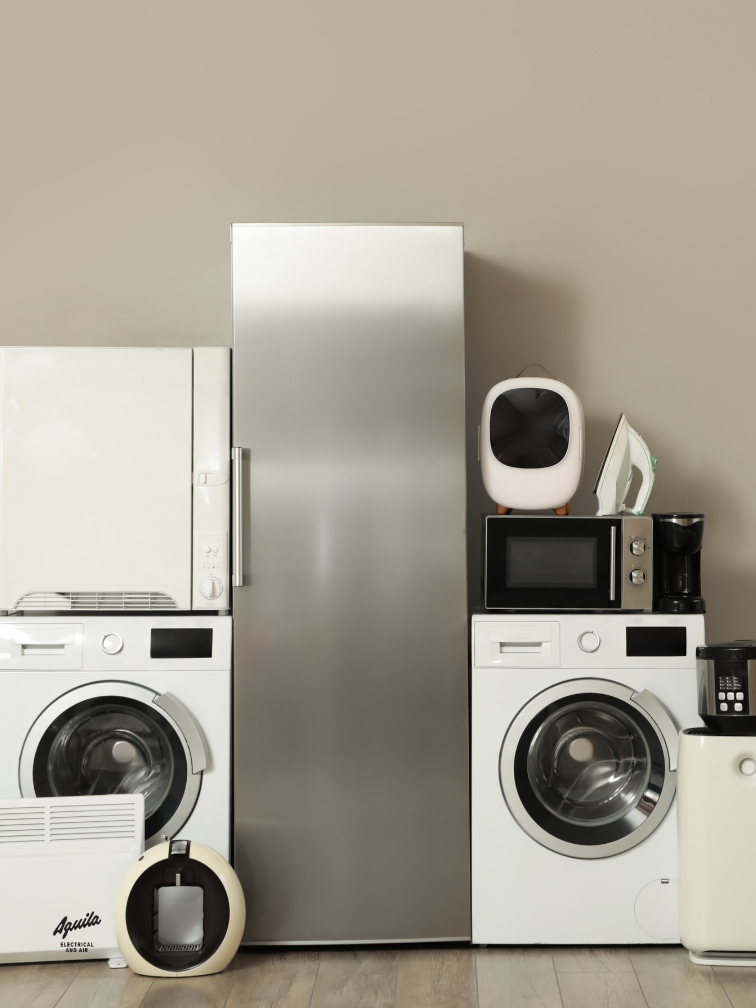
Understanding the Key Differences Between Hardwired and Plug-In Appliances
Modern homes depend on a wide range of electrical appliances from high-powered ovens and cooktops to everyday essentials like microwaves and coffee machines. However, not all appliances connect to electricity the same way. Some are hardwired directly into your electrical system, while others are designed to plug into standard wall outlets. Understanding the difference is important for ensuring electrical safety of appliance, meeting Australian compliance standards, and avoiding costly installation mistakes.
If you’re renovating, upgrading kitchen appliances, or building a new home, choosing the right connection type impacts performance, safety, and long-term convenience. In this blog, we are going to explain the key differences between hardwired and plug-in appliances, outline their advantages and disadvantages, and help you decide which option is best for your home’s electrical system.
What Is a Hardwired Appliance?
A hardwired appliance is permanently connected to your home’s electrical system rather than plugged into a standard power outlet. The appliance wiring is directly connected to a dedicated circuit through a junction box, terminal block, or isolation switch. This type of installation is designed for appliances that require a stable and higher-capacity power supply.
Common Hardwired Appliances:
- Built-in ovens and electric cooktops
- Electric hot water systems
- Dishwashers
- Rangehoods
- Split system air conditioners
- EV (electric vehicle) chargers
These appliances usually draw higher electrical loads and require their own dedicated circuits under Australian standards, meaning installation must be carried out by a licensed electrician to ensure compliance and prevent electrical hazards.
Benefits of Hardwired Appliances
Hardwired appliances are a popular choice for high-dmon dinaemand electrical systems in modern Adelaide homes. They provide improved safety, reliability, and a cleaner finish compared to standard plug-in options. Some of the advantages are:
- Clean, Seamless Appearance: With no exposed visible cords or plugs, hardwired installations create a tidy, streamlined look for modern kitchens and integrated appliances.
- Reliable Power Supply: A direct electrical connection to a dedicated circuit reduces the risk of loose plugs, accidental disconnection, or worn-out outlets.
- Safer for High-Power Appliances: Large appliances such as ovens, cooktops, and EV chargers perform more efficiently when connected to dedicated circuits designed to handle higher electrical loads.
- Compliance with Australian Standards: When installed by a licensed electrician, hardwired appliances meet Australian Wiring Rules (AS/NZS 3000), ensuring safety and legal compliance.
Cons of Hardwired Appliances
While hardwired appliances provide reliability and a clean finish, there are a few drawbacks to keep in mind:
- Higher upfront installation costs due to professional labour and possible electrical upgrades
- Licensed electrician required, as hardwiring must comply with Australian electrical regulations
- Limited flexibility, making appliances harder to replace
- Potential switchboard upgrades in older homes to safely support higher power demands
Considering these factors early can help avoid unexpected costs and delays during installation.
What Is a Plug-In Appliance?
Plug-in appliances are devices that connect to a standard wall outlet using a cord and plug. They are designed for convenience, portability, and easy installation, making them practical choices for everyday use in homes.
Common Plug-In Appliances:
- Microwaves
- Most refrigerators
- Washing machines
- TVs and entertainment devices
- Toasters, kettles, and small kitchen appliances
- Portable heaters
Most plug-in appliances in Australia operate on standard 10A or 15A outlets, making them simple to use without the need for professional installation.
Benefits of Plug-In Appliances
Plug-in appliances provide several advantages that make them a convenient and practical choice for many homes.
1. Easy Installation: Most plug-in appliances are ready to use straight out of the box, as no electrician is required in most cases.
2. Portability: They can be easily moved, making them easy to move for renters or homeowners who frequently rearrange their spaces.
3. Lower Initial Costs: Without the need for professional installation, plug-in appliances are more budget-friendly upfront.
4. Flexible Use: Plug-in appliances provide convenience for temporary, seasonal or wherever they’re needed.
Cons of Plug-In Appliances
Plug-in appliances are convenient, but they have some drawbacks to be aware of:
- Plugging too many devices into a single outlet can trip breakers.
- Exposed cords make the space look cluttered and create potential tripping Hazards.
- Heavy-demand appliances require dedicated circuits that plug-in devices cannot provide.
- Damaged power outlets increase the risk of poor connections or electrical faults.
Which Option Is Best for Your Home?
Choosing between hardwired and plug-in appliances depends on your home’s electrical capacity, the type of appliance, and your long-term plans. High-power appliances like ovens, cooktops, dishwashers, and EV chargers are best hardwired, as dedicated circuits reduce the risk of overloading and provide reliable, safe operation. For older Adelaide homes, switchboard upgrades or additional circuits are necessary to support hardwired appliances safely.
Your lifestyle and future plans also play a key role. Hardwired appliances provide a sleek, durable solution for permanent homes, while plug-in options provide portability and convenience for renters who frequently rearrange appliances. Additionally, South Australian regulations require licensed electricians for hardwired installations, ensuring compliance with safety standards and reducing the risk of electrical hazards.
Conclusion
Understanding the difference between hardwired and plug-in appliances is essential for home renovation, kitchen upgrade, or new build. Hardwired appliances provide a reliable, safe, and seamless solution for high-powered devices, while plug-in appliances provide flexibility, portability, and easier installation for everyday household use. By assessing your home’s electrical capacity, the type of appliances you use, and your long-term needs, you can make informed choices that ensure safety, compliance with Australian standards, and optimal performance.
For professional installation and expert advice on which option suits your home best, trust Aquila Electrical. Our licensed electricians in Adelaide can handle everything from hardwired appliance setups to plug in appliance, ensuring your home meets safety regulations while providing a clean, efficient electrical system. Contact Aquila Electrical today to schedule a consultation and get your appliances installed safely and professionally.
📞 Call us on 0488 551 630
📍 Based in Hove, SA 5048


