Electrical Inspection Before Safety Switch Installation
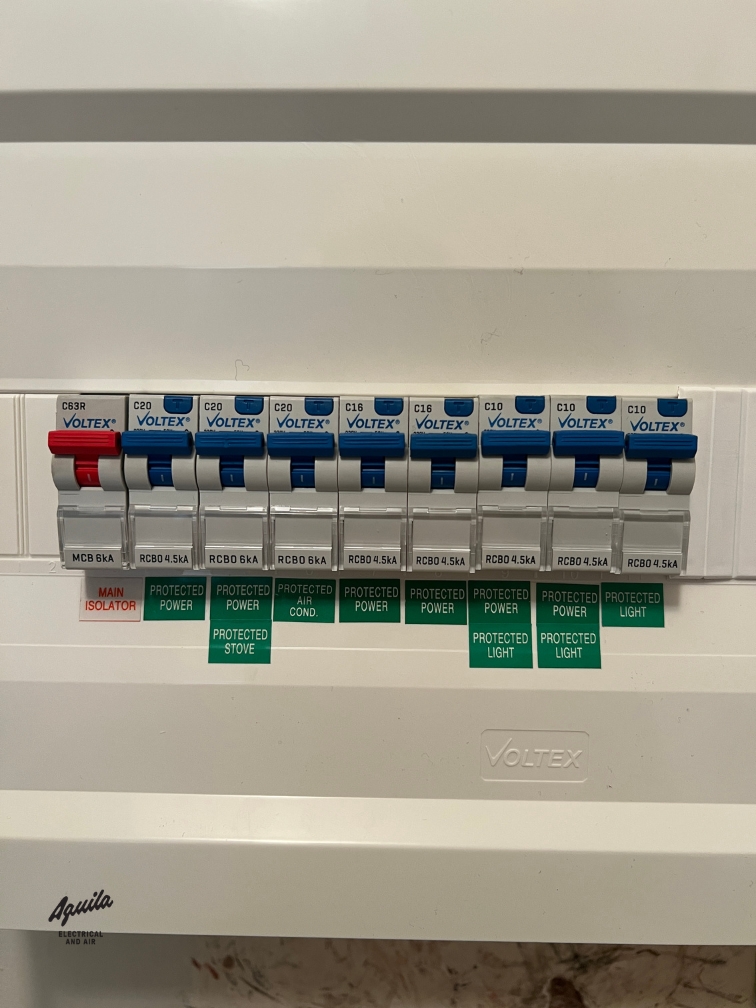
Essential Electrical System Checks Before Adding a Safety Switch
Safety switches, also known as Residual Current Devices (RCDs), play a vital role in modern electrical safety. These devices are designed to instantly cut off power when they detect a current imbalance, helping protect people from electric shock and reducing the risk of serious electrical accidents. Because of their life-saving function, safety switches are now considered an essential component in many electrical installations across Australia.
However, before installing a safety switch, it’s important to carry out a thorough electrical inspection to ensure the existing system is suitable and safe for the upgrade. In this blog, we are going to explore the key areas electricians inspect before installing a safety switch, including the condition of the switchboard, wiring, circuit protection, and overall electrical load. Understanding these checks help property owners prepare their systems properly and ensure a smooth and safe installation process.
Below are the key areas electricians inspect before installing safety switches.
1. Inspecting the Condition of the Switchboard
The switchboard is the central hub of your home’s electrical system, making it the first place an electrician inspects before installing a safety switch. In many older homes, switchboards were installed decades ago and weren’t designed to handle the number of modern appliances, smart devices, or outdoor equipment that households use today.
During an inspection, electricians look for signs such as:
- Outdated ceramic fuses instead of circuit breakers
- Limited space for additional safety switches
- Signs of overheating
- Loose or deteriorated connections
- Lack of proper circuit protection
If any of these issues are detected, the switchboard requires an upgrade before a safety switch can be safely installed. Ensuring the switchboard is in excellent condition provides a strong foundation for a reliable, safe, and efficient electrical system.
2. Checking the Age and Condition of Electrical Wiring
Even if your switchboard looks modern, the wiring behind the walls is much older. An electrical inspection helps determine whether your existing wiring is safe and suitable for a new safety switch installation.
In older homes, electricians often find issues such as:
- Aging insulation on cables that can increase the risk of faults
- Mixed wiring from multiple renovations, which does not meet current standards
- Damaged or worn-out connections that affect reliability
- Circuits that no longer comply with modern safety requirements
Faulty wiring can cause nuisance tripping or prevent your safety switch from functioning correctly. Identifying these problems early allows electricians to recommend repairs, ensuring your safety switch provides reliable protection when it matters most.
3. Evaluating Circuit Layout and Load Distribution
Modern homes often run in multiple high-demand devices simultaneously, including air conditioning systems, kitchen appliances, home entertainment setups, EV chargers, and outdoor lighting. Before installing a safety switch, electricians assess how the electrical load is distributed across circuits, as overloaded circuits lead to frequent tripping, reduced efficiency, and prevent safety switches from working effectively.
To ensure optimal performance, an electrician should recommend:
- Separating high-demand appliances onto dedicated circuits
- Installing individual safety switches for critical areas
- Upgrading circuit breakers to support current and future electrical loads
By balancing and optimizing your circuit layout, your electrical system remains ready for a new safety switch installation.
4.Identifying Circuits Without Safety Switch Protection
Not all circuits are protected by safety switches. Areas like garages, sheds, and outdoor power points are left unprotected, which increases the risk of electric shock if a fault occurs. During an electrical inspection, electricians check that safety switches cover all critical circuits to ensure your home is fully protected.
Key areas typically reviewed include kitchen and laundry circuits, outdoor power outlets, garage and workshop power points, pool or spa equipment, and garden lighting systems. If circuits are found without protection, electricians should recommend installing additional safety switches, extending coverage, and ensuring that your electrical system meets modern safety standards.
5. Testing Existing Electrical Components
A thorough electrical inspection includes testing key components to ensure they are safe and functioning properly before installing new safety switches.
Electricians perform tests such as:
- Circuit testing to verify proper operation of each circuit
- Earth continuity tests to ensure safe grounding
- Insulation resistance testing to detect damaged wiring
- Load measurements to check that circuits can handle current demands
These tests uncover hidden issues that a simple visual inspection might miss. Identifying problems early ensures a smooth safety switch installation and helps prevent unexpected electrical faults after the upgrade.
Why Professional Electrical Inspections Matter
Installing a safety switch seems simple, but home electrical systems can be complex. Hidden faults, outdated components, or worn wiring can compromise the effectiveness of safety devices and put occupants at risk.
A Licensed electrical inspection helps homeowners by:
- Identifying hidden electrical hazards before they become serious problems
- Ensuring compatibility with modern safety switches
- Preventing installation delays or unexpected upgrades
- Improving overall system reliability for long-term safety
By addressing potential issues early, a professional inspection ensures your safety switch works correctly, protecting your home and family for years to come.
Book a Professional Electrical Inspection in Adelaide
Conducting a thorough electrical inspection before installing a safety switch is essential for ensuring the safety of your home’s electrical system. By checking your switchboard, wiring, circuit layout, and existing protection, electricians identify potential issues before dangerous. This proactive approach not only makes the installation process smoother but also ensures your safety switches function effectively when you need them most.
If you’re in Adelaide and planning to upgrade your electrical system with a safety switch, Aquila Electrical can help. Our licensed electricians provide comprehensive electrical inspections, identifying hidden hazards, assessing your wiring and circuits, and ensuring your system is ready for a safe and seamless installation. Contact Aquila Electrical today to schedule your professional inspection and take the first step toward a safer, smarter home.
📞 Call us on 0488 551 630
📍 Based in Hove, SA 5048


