Electrical Considerations When Installing a New Oven
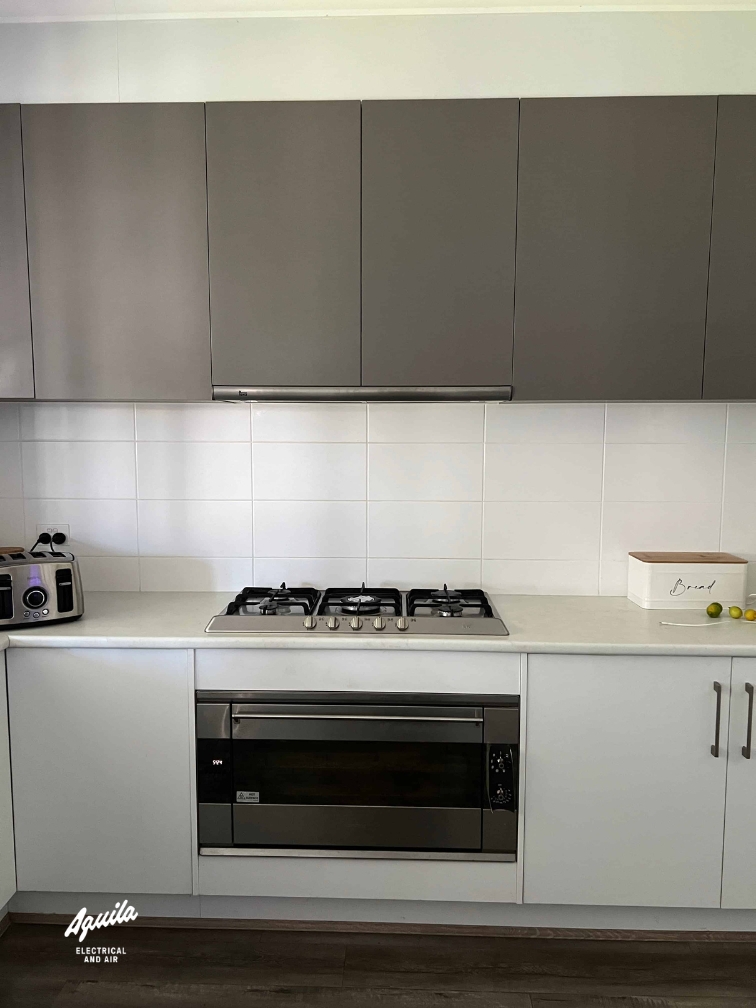
Essential Electrical Requirements for Oven Installation
Installing a new oven goes beyond simply fitting it into your kitchen cabinetry; it involves critical electrical planning. Electric ovens are high-power appliances that require the right wiring, dedicated circuits, and strict adherence to safety standards. Overlooking these factors leads to appliance damage, safety hazards, and compliance issues with Australian electrical regulations.
Before upgrading to a modern, high-powered model, it’s essential to understand the electrical requirements. From ensuring the correct power supply and dedicated circuits to complying with Australian wiring regulations, proper preparation can save you time, money, and potential risks. This guide covers all the essential electrical considerations you need to know for a new oven installation.
Why Electrical Planning Matters for Oven Installation
Electric ovens are among the highest power-consuming appliances in a residential property, which means proper electrical planning is essential. Incorrect wiring, undersized cabling, or non-compliant connections can place excessive strain on your electrical system, leading to tripped circuit breakers, overheating cables, and even electrical fires.
Beyond safety risks, poor installation can also result in voided manufacturer warranties and failed electrical safety inspections. Engaging a licensed electrician early ensures your oven is installed to Australian electrical standards, supplied with the correct power, and able to operate safely, efficiently, and reliably over the long term.
Important Considerations before installing an electric oven
Installing an electric oven requires careful electrical planning to ensure safe operation, long-term reliability, and full compliance with Australian standards. Below are the key electrical factors that should be assessed before installation.
1. Power Supply Requirements
Electric ovens typically draw between 2,000W and 10,000W, depending on their size, features, and cooking capacity. This load is significantly higher than standard kitchen appliances.
Before installation, an electrician must confirm:
- The oven’s kilowatt (kW) rating
- The available supply capacity at the switchboard
- Whether existing wiring can handle the load
If the current circuit is undersized, upgrades are required to prevent overheating, voltage drop, and frequent circuit breaker trips.
2. Dedicated Circuit Is Mandatory
Electric ovens must be installed on a dedicated circuit, which ensures:
- Stable voltage during operation
- Prevention of overload from other appliances
- Improve appliance lifespan
- Compliance with Australian Wiring Rules (AS/NZS 3000)
Sharing an oven circuit with other kitchen appliances is unsafe and non-compliant.
3. Plug-In vs Hardwired Ovens
Plug-in ovens are usually smaller, lower-powered models. They must be connected to a correctly rated, high-capacity outlet with proper electrical protection.
Most built-in ovens are hardwired, especially those rated 3kW and above. They connect directly to the home’s electrical supply through fixed cabling and must be installed by a licensed electrician.
4. Circuit Breakers, RCDs & Safety Switches
A circuit breaker must be correctly sized to match the oven’s current draw and the capacity of the installed cabling. An undersized breaker trips frequently and interrupts operation, while an oversized breaker fails to protect the wiring, increasing the risk of overheating and electrical fire.
A Residual Current Device (RCD), also known as a safety switch, is essential for personal safety. It instantly cuts power if an electrical fault is detected, significantly reducing the risk of electric shock, fire, or equipment damage.
An isolation switch must also be installed in an accessible location. This allows electricians to safely disconnect power to the oven during servicing, repairs, or emergencies without shutting down the entire electrical system.
5. Switchboard Capacity
Older homes lack the capacity to handle the demands of modern ovens. An electrician will evaluate:
- Total electrical load of your home
- Existing circuit configurations
- Spare capacity in your switchboard
Depending on the assessment, you need a new circuit, a switchboard upgrade, or additional RCDs. This ensures safe operation and prevents overloads.
6. Compliance with Australian Standards
All oven installations in Australia must comply with AS/NZS 3000 Wiring Rules and relevant state electrical safety regulations. After installation, a Certificate of Electrical Safety (CES/CCEW) must be issued by a licensed electrician. This certificate confirms legal compliance, insurance validity, and manufacturer warranty protection, ensuring your installation is safe and fully approved.
Can You Install an Electric Oven Yourself?
The short answer is no. Installing an oven yourself is both illegal and extremely dangerous in Australia. Electric ovens require high-power connections, dedicated circuits, and compliance with strict safety standards, all of which must be handled by a licensed electrician.
Attempting a DIY installation can lead to serious consequences, including:
- Heavy fines for non-compliance with Australian electrical regulations
- Voided home insurance in the event of damage
- Liability for property damage
For your safety, always hire a licensed electrician to install your electric oven. Aquila Electrical provides professional, compliant oven installations, ensuring your appliance operates safely and efficiently.
How can Aquila Electrical help with your oven installation?
Installing an electric oven safely requires careful planning, proper wiring, and compliance with Australian standards. Aquila Electrical makes the process simple and worry-free.
Our licensed electricians can:
- Assess your electrical system and recommend upgrades
- Install dedicated circuits, RCDs, and safety switches
- Issue a Certificate of Electrical Safety (CES/CCEW) for compliance
- Provide expert advice on ventilation, clearance, and safe operation
With Aquila Electrical, your oven installation is handled professionally, efficiently, and fully compliant with Australian standards. Contact us today to schedule your electric oven installation.
Conclusion
Proper electrical planning is the key to a safe and efficient oven installation. From assessing power supply to following the electric oven wiring regulations in Australia, every step ensures your oven operates efficiently without electrical hazards. Skipping these critical considerations leads to costly repairs, voided warranties, and serious safety risks. By understanding the requirements upfront, you can ensure your new oven operates reliably for years to come.
Working with a licensed electrician guarantees that your installation is safe and professionally executed. In Adelaide, Aquila Electrical provides expert guidance, professional installation, and all necessary certifications, making the process simple and stress-free. Contact us today to schedule your oven installation and ensure your kitchen upgrade is safe, efficient, and fully compliant.
📞 Call us on 0488 551 630
📍 Based in Hove, SA 5048


